Weekly practice record
See when you practised and how much time you spent.
A gentle practice for everyday life
Follow a 3D instructor through eight gentle Baduanjin movements. Watch the whole body, listen to cues, and slow down whenever you need.
Try a free 1-minute resetExplore full practice ↓One minute. No account needed.
Try it here · no account needed
Follow the first movement at a gentle pace. Camera guidance is optional and starts only with your permission.
Beyond your one-minute reset
Follow all eight movements or revisit one at a time.
Full practice requires an account and active trial or membership. Camera guidance offers framing and cues for all eight forms, with hand-height observations for forms 1 and 3. It does not assess whether your posture is correct.
One practice, whole-body movement
Explore each Baduanjin exercise and see how these eight qigong exercises relate to the whole body. Choose a card for its movement, body focus and traditional interpretation.
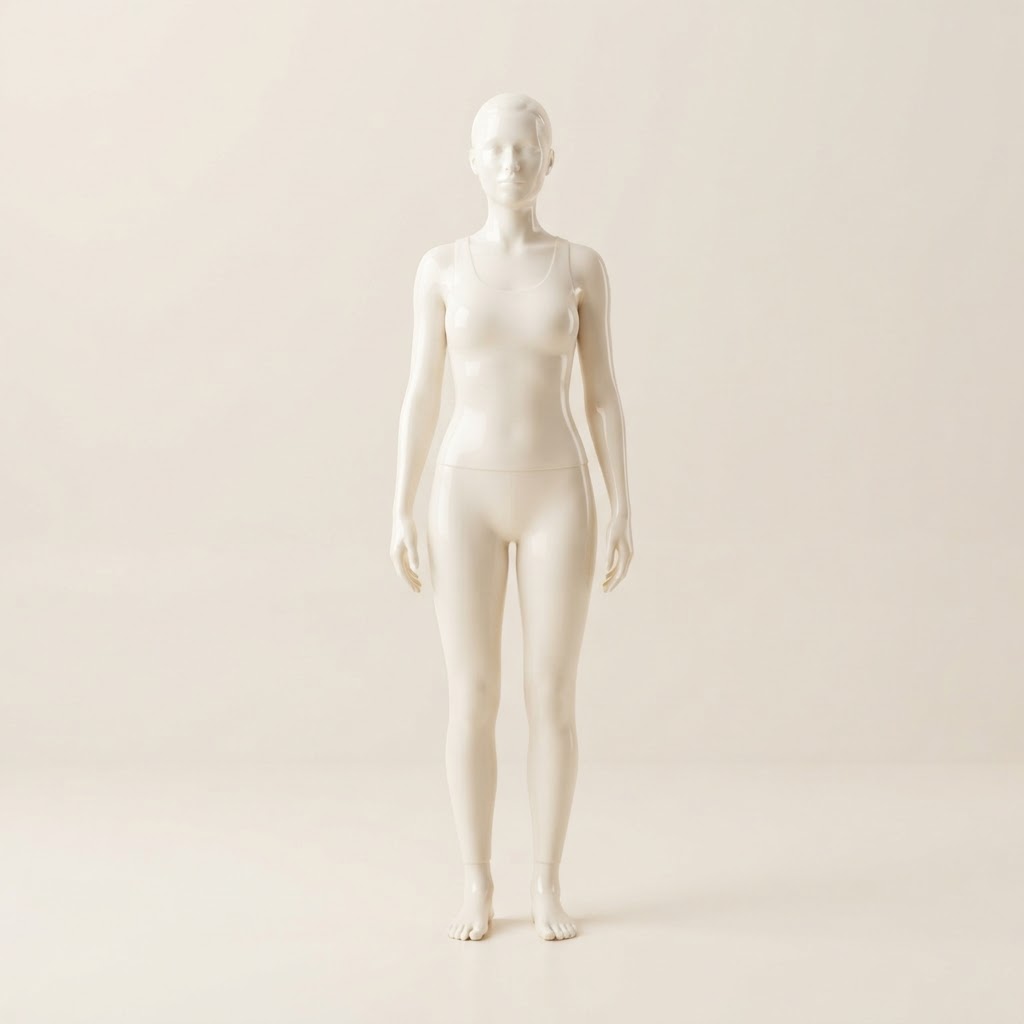
Pose 01 · Shoulders · trunk · legs
Full-body stretch
Gently stretches the arms, chest and back.
In traditional Chinese medicine, this movement is associated with the “three burners.”
The highlighted areas illustrate movement focus, not internal organs. Traditional perspectives are part of qigong’s heritage; they do not establish a medical effect for an individual movement.
Your practice, step by step
Start with the whole sequence or take your time with a single movement.
Follow the full sequence or select one movement.
Mirror your guide and follow the English cues on screen or by voice.
Change the view, pause or slow down to see a detail again.
A practice that grows with you
Set a flexible schedule, save your sessions and come back to a movement.
See when you practised and how much time you spent.
Choose the days and time that fit your life, then change them when you need to.
Choose a movement, change the view and slow it down to see the details again.
Full guided practice requires an active trial or membership.
Made with care
My Baduanjin was founded by a graduate of Beijing University of Chinese Medicine, with the hope of sharing the wisdom of traditional Chinese medicine, including its herbal traditions, to benefit people around the world.
Movement principles reference the Baduanjin group standard T/CACM 1676—2026. The 3D character, animation presentation and interactions were made for this project. Referencing the standard does not imply certification, authorisation or endorsement by its publisher.
Start where you are
New to qigong? Begin with a comfortable range and take breaks when you need them. If you have health concerns, ask a qualified health professional before starting.
Practice that stays with you
Explore the complete eight-movement practice. Choose the plan that works for you.
Best value · save 42%
$89.99
USD per year · about $7.50/month
Save $65.89 compared with monthly billing.
Start 7-day free trialFlexible monthly membership
$12.99
USD per month · billed monthly
The same complete practice, billed one month at a time.
Start 7-day free trialPayment method required. After 7 days, your selected plan is charged and renews automatically unless cancelled. Cancel before your trial ends to avoid the first charge.
A little help getting started
No special equipment is needed. Leave enough room to move comfortably and choose a range that feels right for you. You can pause or slow the guide at any time.
The guided 3D sequence includes preparation, all eight Baduanjin movements and closing. You can choose a chapter, change the viewing angle, use voice cues and adjust music and nature sounds independently.
New eligible members enter a payment method at checkout. There is no membership charge during the 7-day trial. Your chosen monthly or annual plan starts automatically afterwards unless you cancel beforehand.
Open your account's Billing page to manage or cancel your subscription. Cancelling stops the next renewal; access continues until your current trial or paid period ends.
The highlighted areas show where each movement asks you to reach, turn or stabilise. They are a movement guide, not a medical diagnosis or a promise to treat a condition. Practice comfortably and stop if you feel pain or dizziness.